Quantification
How the gross removal is measured or modelled, and which deductions are applied.

Carbon dioxide removal
We develop and commercialise biochar, soil carbon and agroforestry removals, with direct access to the underlying projects and their monitoring systems.
Removal quality
Storage duration, reversal risk, measurement uncertainty, leakage, feedstock and land-use eligibility, and delivery stage all affect how a removal fits a corporate portfolio.
How the gross removal is measured or modelled, and which deductions are applied.
Where carbon is stored, for how long, and how reversal risk is managed.
Why carbon finance is necessary for the activity, scale or continuation of the intervention.
Project emissions, leakage and processing impacts accounted for in the net result.
Land rights, feedstock sourcing, local impacts and stakeholder participation.
Current stage, issuance pathway, forward risk and contractual remedies.
Our removal pathways
Biochar
Organic residues are converted into a durable material, with batch-level process data and controlled eligible end use.
Dark EarthSoil carbon
Primary farm data, soil sampling and process-based models quantify changes in carbon stocks and agricultural emissions.
Seeds of RecoveryAgroforestry
Plot-level monitoring links biomass and land-management removals to farms, commodities and long-term stewardship.
Cocoa Native AgroforestryRemoval portfolio
Commercial status differs by project. Forward agreements can support scale, while issued supply provides shorter delivery exposure.

Biochar carbon removal | Singapore
From city waste to city greenery.

Regenerative agriculture | Ukraine
Recovery, from the ground up.
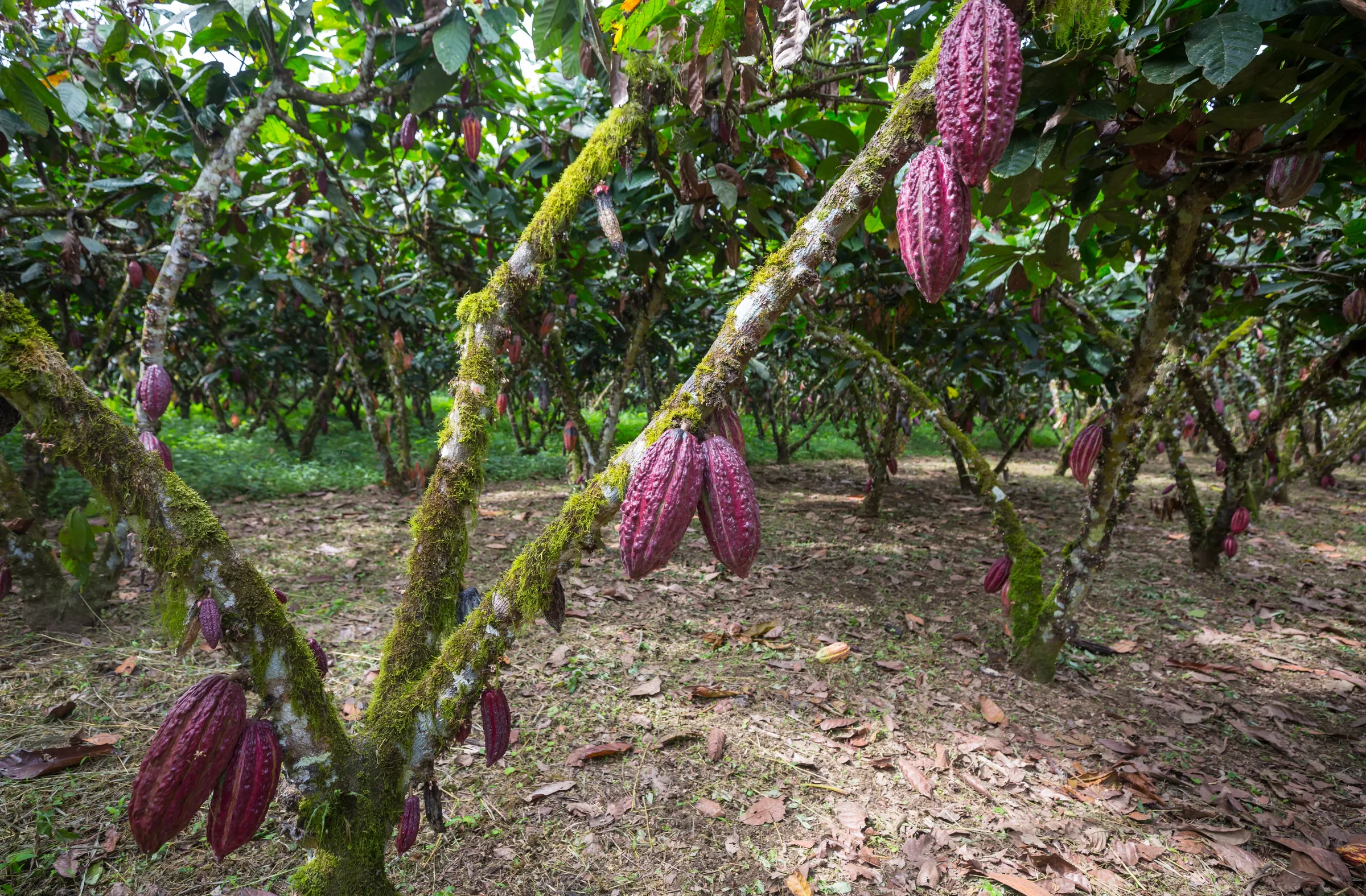
Amazon agroforestry insetting | Brazil
From degraded land to agroforestry.
Forward removals
Forward contracts can unlock project capacity and long-term access, but they should be structured around real milestones.
Assess feasibility, validation, construction, verification and issuance risks separately.
Set vintages, quantities, make-good provisions and remedies for delay or under-delivery.
Connect prepayment or price support to the project activities and milestones required for scale.
Receive milestone, monitoring and verification updates throughout the contract period.
Removal FAQ
Our public portfolio includes urban biochar, regenerative agriculture and native-species agroforestry. Each pathway has different measurement methods, storage durations and risk controls.
Durability describes how long carbon is expected to remain stored and how reversal risk is controlled. Biochar and land-sector storage have different time horizons, monitoring obligations and uncertainty profiles.
Forward purchases carry project and delivery risk because the units have not yet been issued. Strong agreements use milestone-based diligence, delivery windows, reporting rights and remedies, with future volumes treated as forecasts rather than guarantees.
Credible programmes combine farm activity data, direct soil sampling, appropriate models, uncertainty deductions and repeated monitoring. The exact design depends on the methodology, geography and project scale.
That depends on the organisation's target framework, progress on emissions reductions, the characteristics of the removal and the claim being made. Removal procurement and public claims should therefore be assessed separately against the applicable framework.