Landscape restoration
Degraded pasture is converted into productive, multi-strata agroforestry without clearing standing forest.

Amazon agroforestry insetting | Brazil
From degraded land to agroforestry.

The project
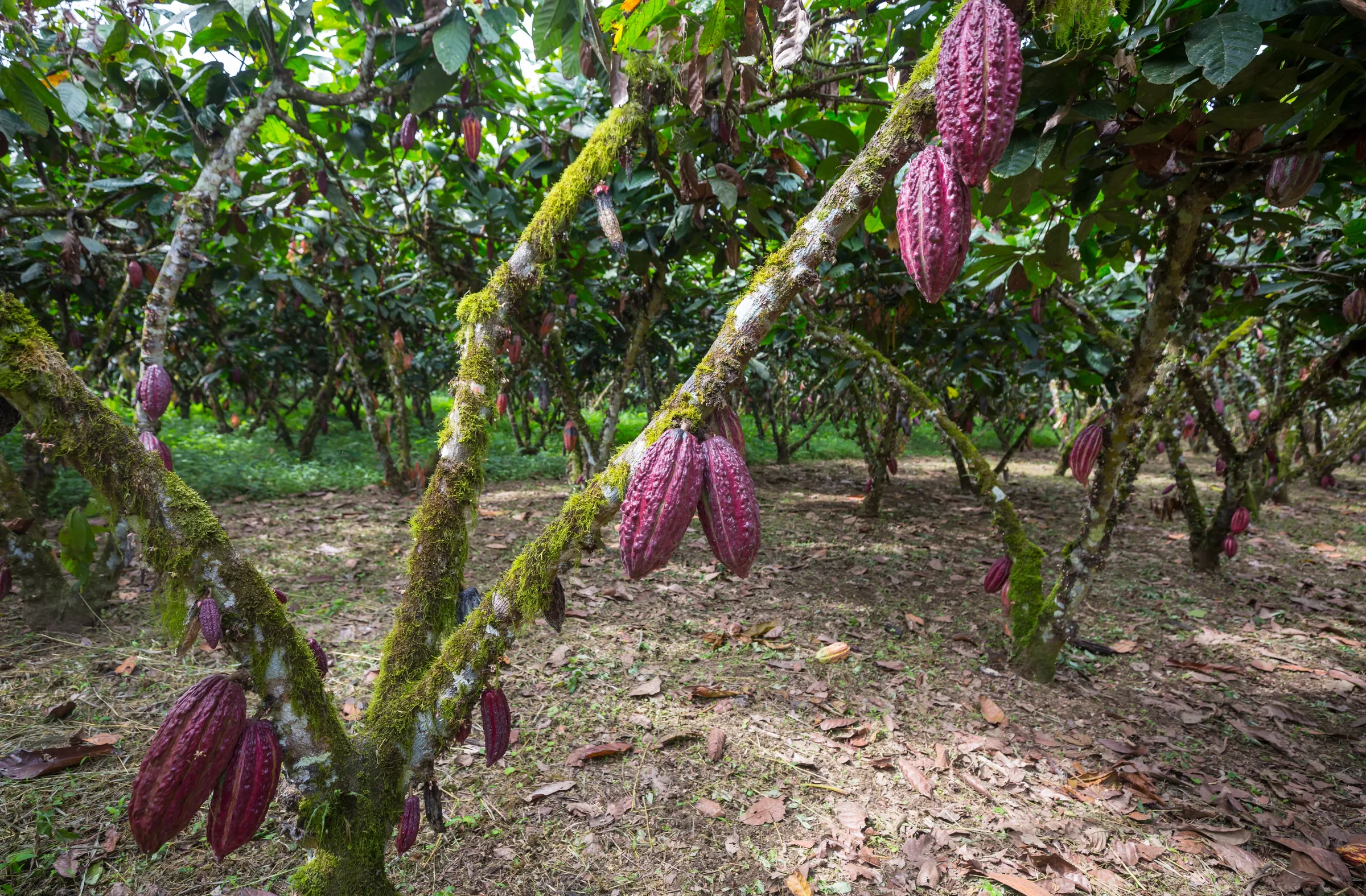
Cocoa Native Agroforestry converts legacy degraded cattle pasture in Para into multi-strata systems combining cocoa, acai, banana and native trees. The model returns cocoa to its Amazonian biome of origin and grows it under a canopy that reflects the structure of the forest in which the crop evolved.
The programme is designed for food and commodity companies seeking land-management removals inside their supply chains. Each enrolled plot is geo-referenced, baseline-measured across relevant carbon pools and monitored over the long term for permanence. The resulting removals are intended to support Scope 3 and FLAG reporting under the GHG Protocol Land Sector and Removals Standard and related guidance.
A 330-hectare pilot establishes the operating model, while producer institutions, training capacity and monitoring infrastructure support expansion toward 5,000 to 10,000 hectares by 2030. Expansion is restricted to eligible degraded land and does not rely on conversion of standing forest.


Project outcomes
Degraded pasture is converted into productive, multi-strata agroforestry without clearing standing forest.
Plot-level identity and monitoring link carbon outcomes to the farms producing the commodity.
Multiple crops can diversify farmer income beyond reliance on a single crop.
Canopy structure can reduce heat and drought stress on cocoa and improve water cycling.
Native species restore structural and taxonomic diversity within productive landscapes.
Buyer fit
Forward programme participation is available for qualified supply-chain and offtake partners.
Discuss this projectContinue exploring

Biochar carbon removal | Singapore
From city waste to city greenery.
Scope 3 freight insetting | China
Not offsetting. Insetting.